Overview
Dallas Sanitation is changing some trash and recycling collections from alleys to curbs in areas where alley conditions make service unsafe or unreliable. Most customers will not be affected. If your address is included, you will be notified by mail and can check your status using the interactive map below.
This change will:
- Improve safety for crews and the public
- Make service more reliable, with fewer missed pickups and delays
- Allow for use of more automated collection trucks in some areas
- Reduce damage to alleys, collection trucks, and private property, helping control long-term costs
Why the Service Change?
Many alleys in Dallas have narrow pavement and little or no space for trucks and workers on foot to move safely. Working in these tight spaces is hazardous and often leads to injuries. Large trucks in confined areas also cause routine damage to the vehicles, the alley surface, and even nearby private property.
Moving carts to the curb in selected areas:
- Protects workers from injury
- Helps trucks complete routes on time
- Reduces wear on alleys and equipment
- Keeps the Sanitation fee affordable
Why Now?
The challenges with alley collection aren’t new—Dallas has been addressing them for decades. Trucks began getting larger many years ago, following changes to federal standards for commercial vehicle width. At the same time, the amount of trash residents produce has nearly doubled since many neighborhoods were first built, which means more trips and heavier loads moving through the same narrow spaces. Federal waste disposal laws have also changed, requiring different handling and equipment than in the past.
These issues have been manageable in some locations until now, but the combination of higher volumes, safety risks, and outdated alley designs has pushed us past the tipping point. In many areas, continuing the old way is no longer safe, reliable, or cost-effective.
Why not just buy smaller trucks?
We have evaluated smaller vehicles, but they carry less material, require more trips, and often still can’t navigate alleys that are too narrow or obstructed. This would increase costs for equipment and labor without solving the underlying safety and access problems.
Alley Challenges at a Glance
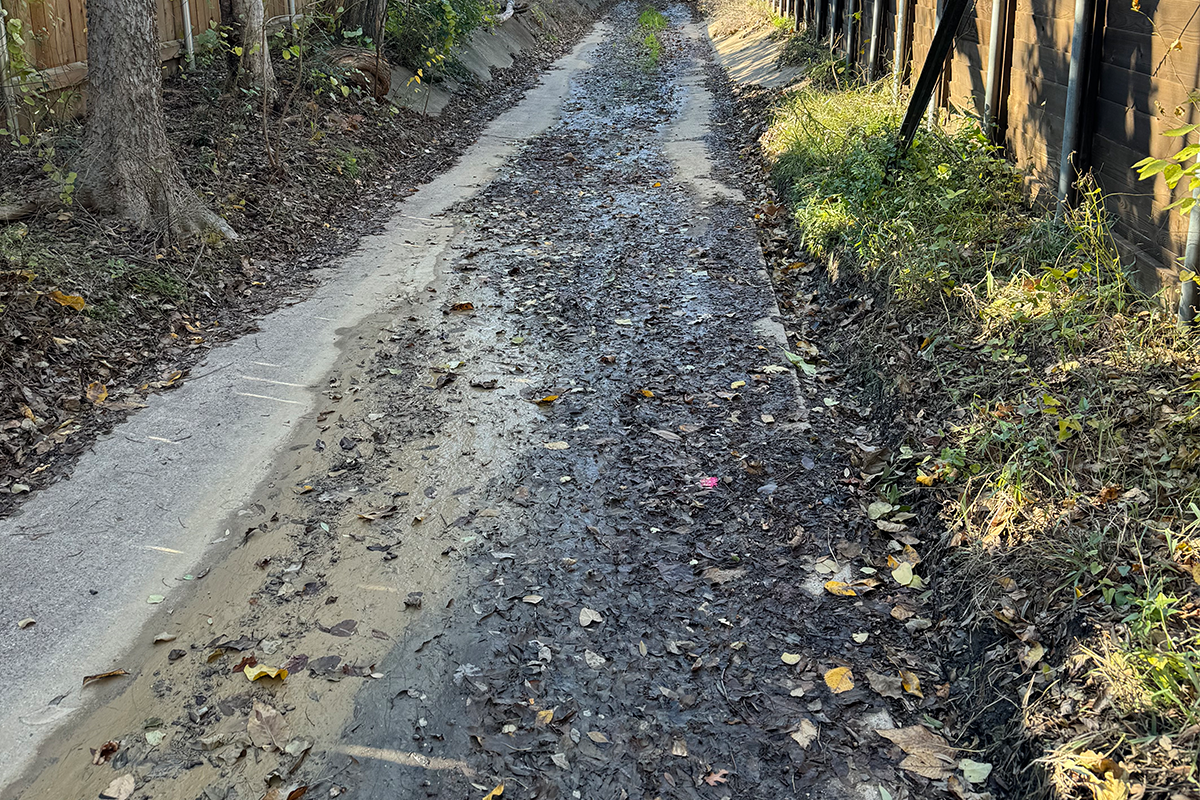 Sanitation trucks cause rutting along narrow alleys with 8–9 ft pavement.
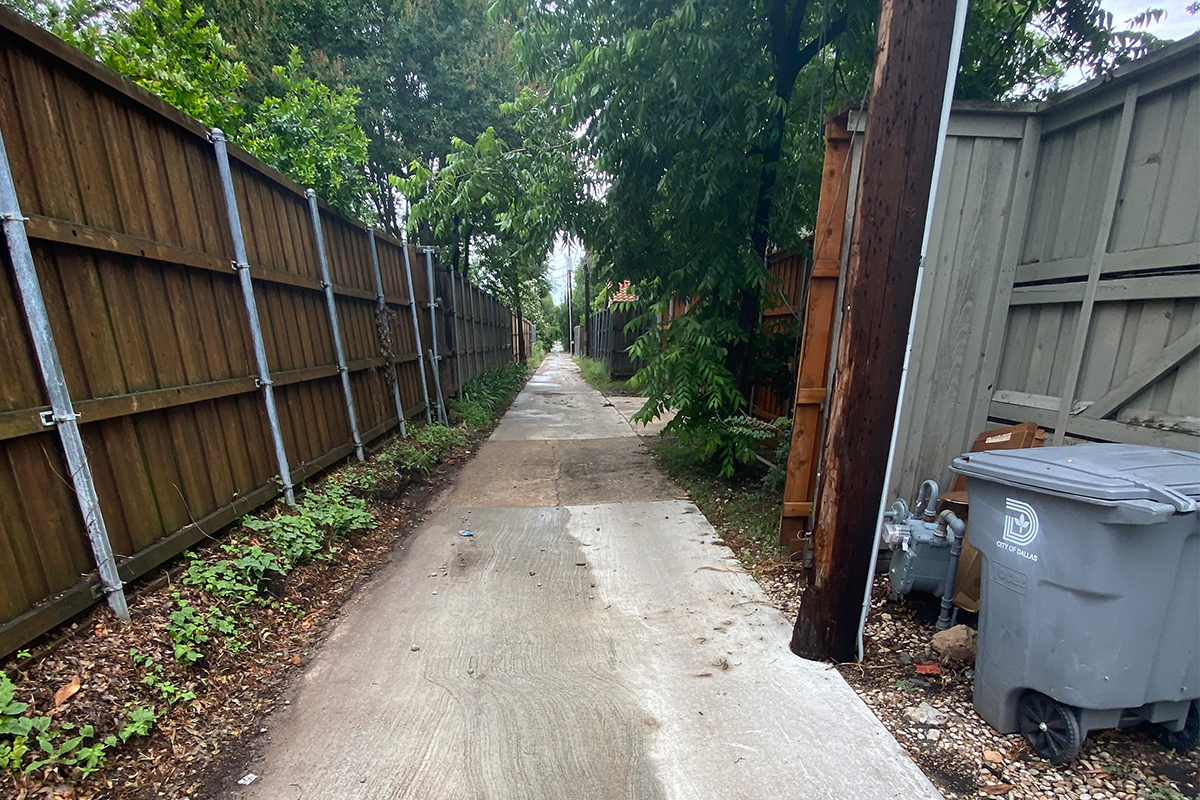 Poles and other utilities are frequently hazardous to navigate and work around in alleys. Workers have been injured and serious damages have occurred in these conditions.
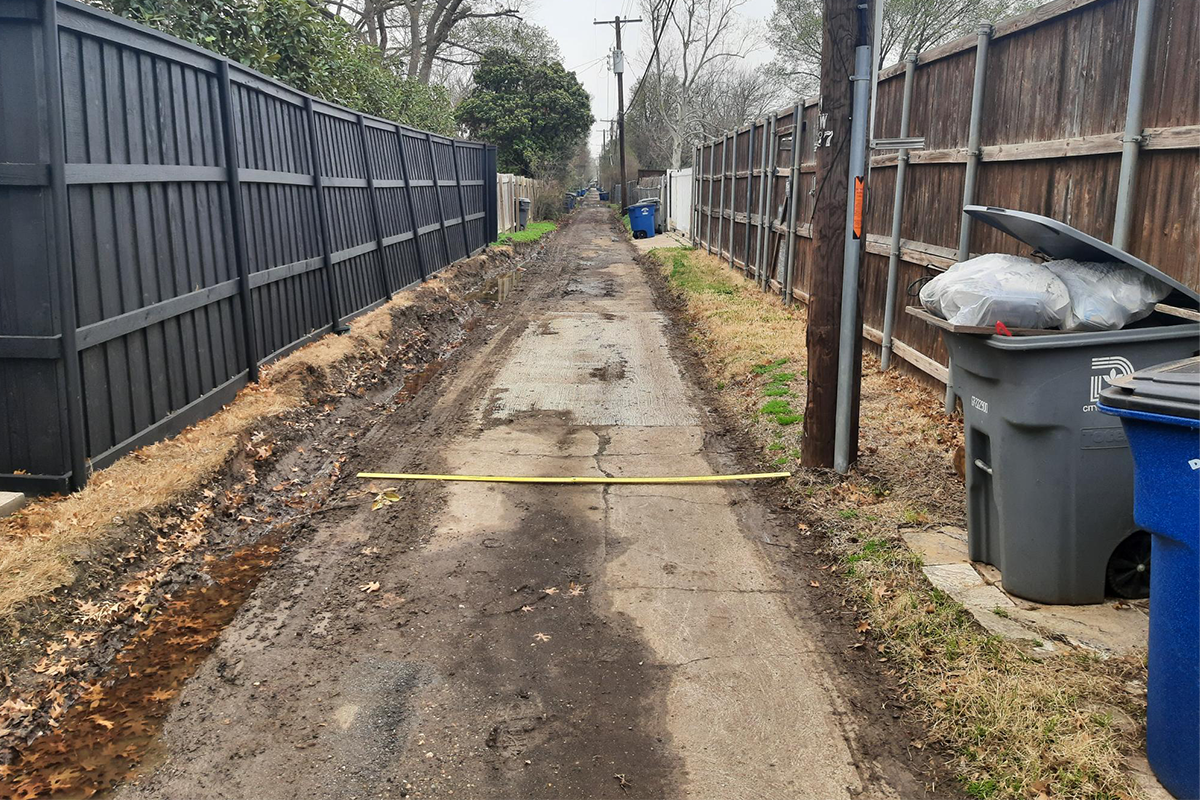 Damages from ruts frequently extend beyond the right-of-way in many locations.
Timeline
Phase 1 locations transitioned to curb. These locations are identified by blue dots (🔵) on the map.
Phase 2 locations transitioned to curb. These locations are identified by green dots (🟢) on the map.
Interactive Map
How to use the map
- Enter your address in the search bar.
- See if your address is in a transition area and check which phase applies.
- Use the legend to understand colors and labels.
If you have trouble with the map, click here to view it in a new browser tab.
Resident Support Programs

Helping Hands
Free cart assistance for customers who cannot move carts due to disability and have no one in the household who can help.
Each week we’ll move your carts to the curb and return them after collection. Enrollment is subject to eligibility verification and periodic renewal. Click here to learn more.
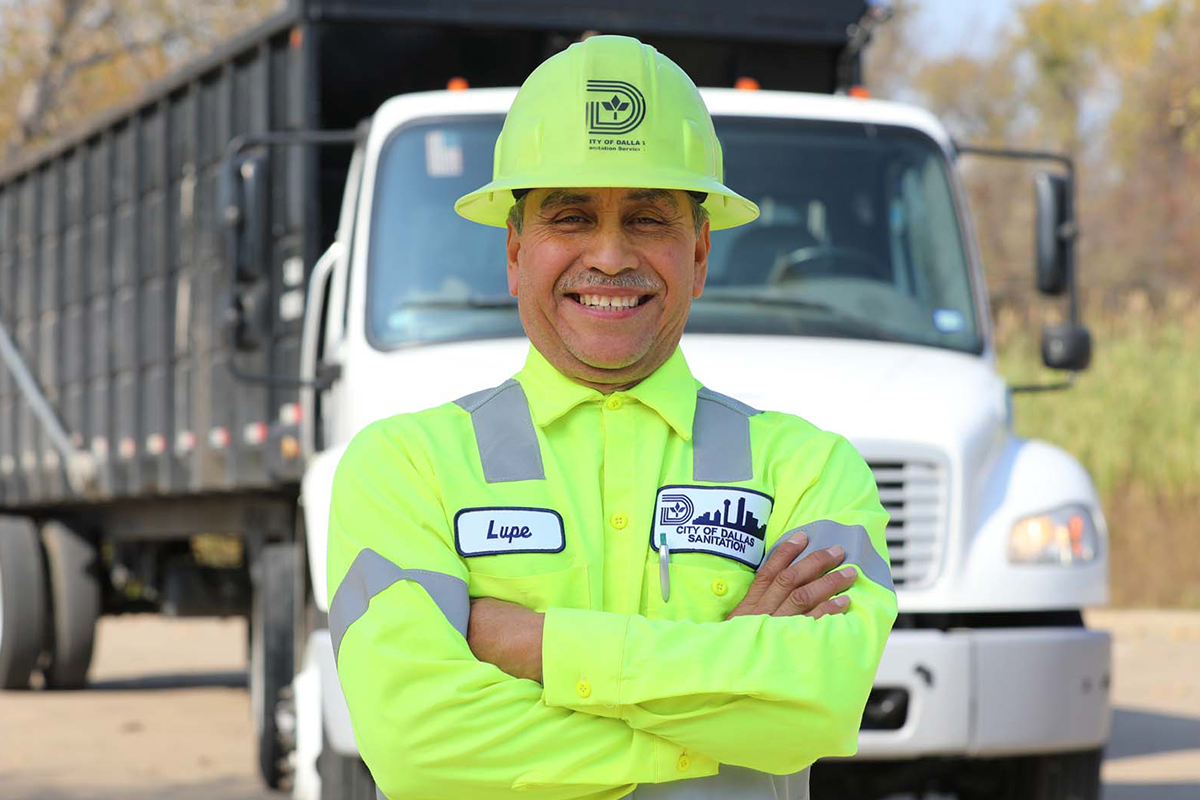
Pack‑Out Service
Pack-Out Service is valet cart collection service, similar to Helping Hands. This service is available to all customers for an additional monthly fee. Click here to learn more.
Smaller Carts Available
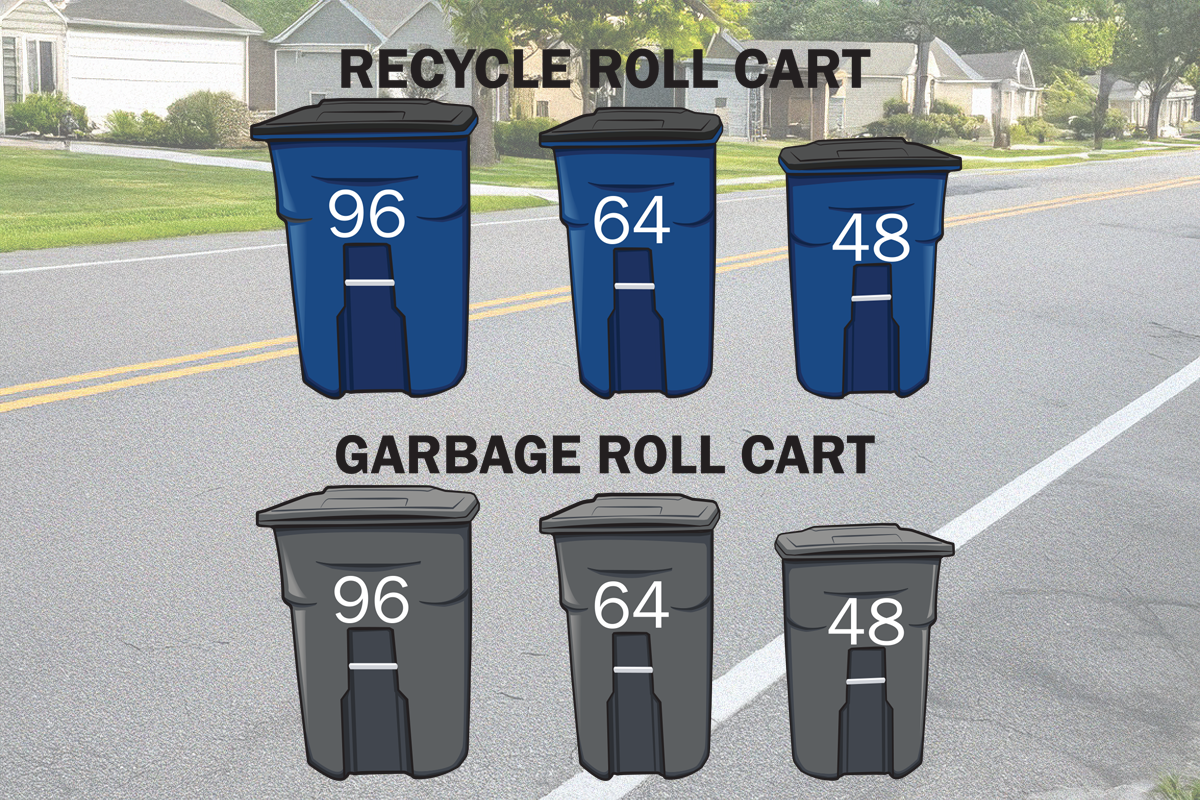
Most customers have 96-gallon rollcarts. Carts are also available in 48-gallon and 64-gallon sizes. Residents with smaller households may prefer a smaller cart size, as they take up less room and can be easier to wheel to the curb. Call 3-1-1 or submit a service request online to request smaller garbage and recycle carts for no additional fee.
Frequently Asked Questions
Will my collection day change?
No collection day changes are planned. If a change becomes necessary, we will notify you in advance by mail, on this page, and through social media.
What's the proper way to place my carts at the curb?
Place carts just behind the curb in front of your home with the lid closed and the wheels toward your home. Keep 3 feet of space from mailboxes, cars, and other objects. Do not block the street, sidewalks or driveways.
What about cars parked on the street, won't they block collection?
Our trucks already collect from the curb in 64% of the city. On-street parking is usually not a problem when our trucks come through during the day, when many residents are at work.
What if I need help moving my cart?
If you need one-time assistance getting your cart from the alley to the front or side of your home, please email us at
SAN.CurbTransition@dallas.gov or call us at 214-670-3555. For weekly collection assistance, see
Resident Support Programs to learn about Helping Hands and Pack‑Out options.
How are affected areas selected?
Areas were selected based on the documented service and safety challenges associated with alleys with 8- or 9-foot-wide alley pavement. To limit inconvenience to customers, only those areas where the majority of homes (60% or greater) have front driveways for customers to wheel their carts across will be transitioned.
How will I be notified?
Customers may check their address on this webpage to see if they are impacted. Affected customers will also receive mailed notices, and a informational sticker will be placed on their rollcarts before the change.
Will recycling service change?
Recycling will be collected at the curb at the same frequency. Please continue to place only accepted materials in the blue cart.
Who can I contact with concerns?